
How Step Aerobics Improves Cardio, Coordination and Strength
Learn how step aerobics improves cardio, coordination, and strength with an effective workout.
Feb 19, 2026
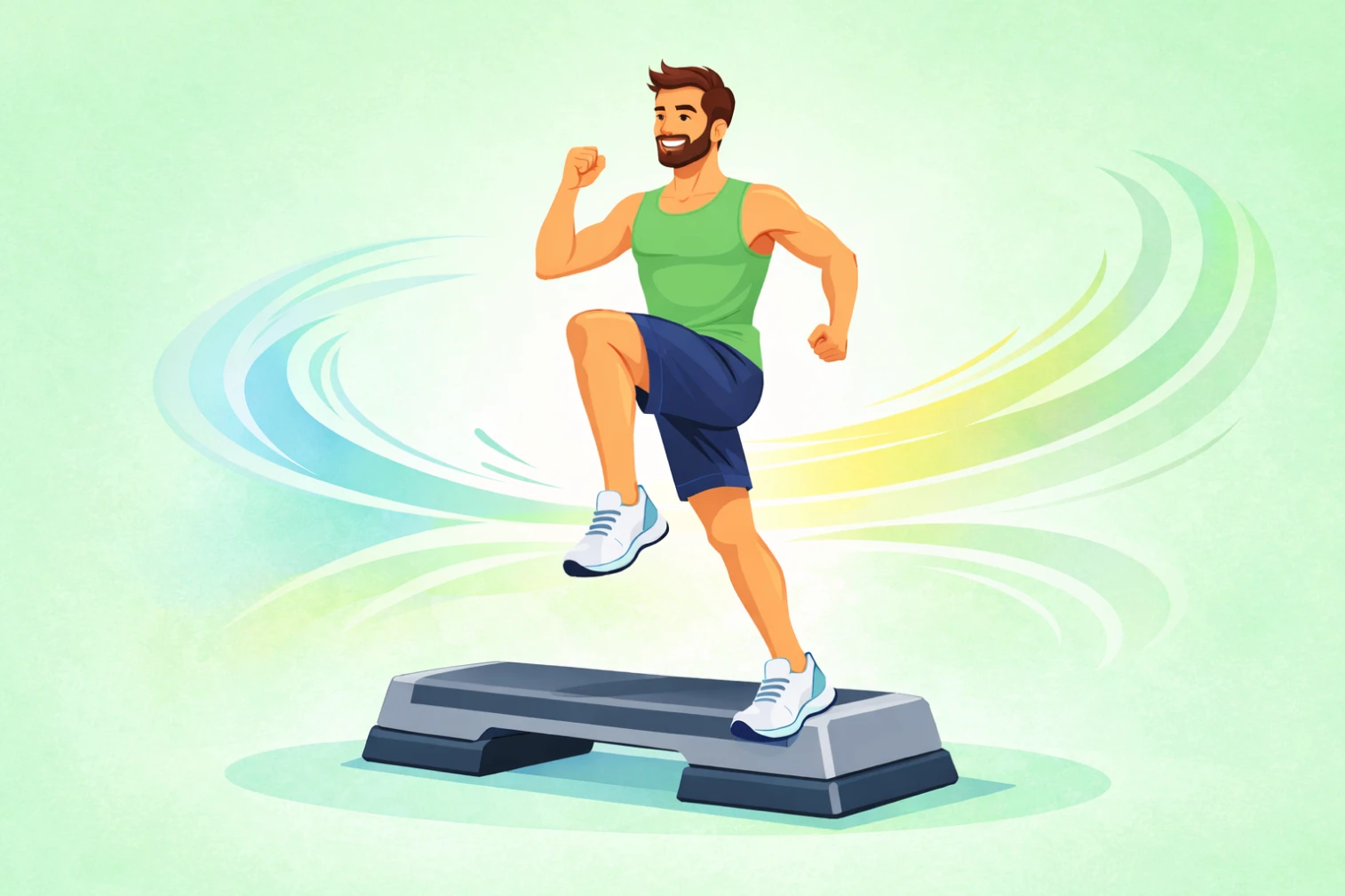
How Step Aerobics Improves Cardio, Coordination and Strength
Learn how step aerobics improves cardio, coordination, and strength with an effective workout.
Feb 19, 2026
How Step Aerobics Improves Cardio, Coordination and Strength
Learn how step aerobics improves cardio, coordination, and strength with an effective workout.
Feb 19, 2026
Step aerobics is one of the most effective and accessible forms of exercise available today.
It combines rhythmic movement, simple equipment, and scalable intensity into a workout that strengthens the body while keeping the mind engaged.
For some, step aerobics brings back memories of energetic studio classes.
For others, it’s a fresh discovery — a powerful way to improve fitness from home.
What makes step aerobics special is that it doesn’t just target one area of health.
Instead, it develops cardiovascular endurance, movement coordination, and muscular strength simultaneously.
Whether you’re starting your fitness journey, returning after a break, or looking for a sustainable workout you can stick with, step aerobics offers a balanced, full-body approach that grows with you.
Step Aerobics Strengthens Your Cardiovascular System
At its foundation, step aerobics is a cardiovascular workout.
The repeated stepping movements raise your heart rate gradually and keep it elevated for sustained periods, encouraging your heart and lungs to work more efficiently.
Unlike short bursts of intense exercise that can feel overwhelming, step aerobics tends to build intensity progressively.
This makes it easier to maintain effort for longer sessions, which is key for improving endurance.
When you step up and down continuously, your body must:
Pump oxygenated blood to working muscles
Regulate breathing to match movement
Maintain steady energy output
Adapt to rhythm and pace
Over time, this consistent demand strengthens the cardiovascular system.
Your heart becomes more efficient, your breathing feels more controlled, and everyday activities begin to feel easier.
Regular step workouts can contribute to:
Increased stamina during exercise and daily life
Improved circulation and oxygen delivery
Better recovery after physical effort
Greater overall energy levels
Reduced fatigue during sustained movement
Because intensity can be adjusted instantly — by changing tempo, step height, or arm involvement — step aerobics allows you to stay in that ideal training zone where fitness improves without unnecessary strain.
This balance is what makes it both effective and sustainable.
Step Aerobics Develops Coordination and Mental Engagement
One of the biggest differences between step aerobics and many other workouts is how actively it involves your brain.
Rather than repeating a single motion, step workouts often include patterns, transitions, and directional changes.
Even simple routines ask you to process timing, remember sequences, and coordinate your arms and legs together.
This ongoing mental engagement strengthens:
Balance and body awareness
Reaction time
Rhythm and timing
Spatial understanding
Movement confidence
At first, you may find yourself concentrating carefully on each step.
That’s completely normal — and beneficial.
Learning new movement patterns encourages the brain to form new neural pathways, improving the connection between mind and body.
As coordination improves, movements start to feel more natural and fluid.
You spend less time thinking about what comes next and more time enjoying the flow of the workout.
Many people notice that step aerobics feels mentally refreshing in a way that repetitive cardio machines do not.
The gentle challenge keeps the mind focused, which can make sessions feel shorter and more engaging.
In this sense, step aerobics becomes both physical training and movement-based brain exercise.
Step Aerobics Builds Strength Through Natural Movement
Although often categorised as cardio, step aerobics quietly builds strength throughout the lower body and core.
Every upward step requires your muscles to lift your body weight against gravity.
Every downward step asks them to control the landing and stabilise your joints.
These repeated actions create a form of resistance training using your own body weight.
This develops strength in:
Glutes, which power the upward movement
Quadriceps, which extend the knee and support stepping
Hamstrings, which assist with control and stability
Calves, which absorb impact and assist push-off
Core muscles, which maintain balance and posture
When arm movements are added, the workout becomes even more complete.
Reaching, lifting, and coordinated arm patterns engage:
Shoulders and upper back
Arms and forearms
Postural muscles supporting the spine
Because these movements mirror real-life actions — climbing stairs, stepping onto pavements, lifting objects, maintaining balance — the strength gained is highly functional.
This means improvements don’t just stay within the workout.
They transfer directly into daily life, helping you move more comfortably and confidently throughout the day.
Rhythm Makes Exercise Feel Easier
Music is not just a background feature in step aerobics — it’s part of the workout’s effectiveness.
Moving in time with a steady beat naturally regulates pacing and breathing.
It helps maintain consistency and reduces the mental effort needed to sustain movement.
When steps match the rhythm, the body finds a natural flow.
This often leads to:
More consistent intensity
Smoother transitions between movements
Reduced perception of effort
Increased enjoyment and motivation
Many step workouts use tempos around 120–130 beats per minute, which provide enough energy to elevate the heart rate while remaining manageable for coordinated movement.
This rhythmic structure is one reason people often stick with step aerobics longer than other forms of cardio.
The combination of music and movement transforms exercise into something that feels purposeful and uplifting rather than repetitive.
Step Aerobics Fits Easily Into Home Life
Another strength of step aerobics is how simple it is to set up.
You don’t need a large space or expensive equipment.
A stable step platform, supportive footwear, and enough room to move safely are usually all that’s required.
This simplicity makes step aerobics ideal for:
Home workouts without gym access
Busy schedules needing efficient sessions
Beginners who want approachable movement
People seeking low-impact cardio options
Anyone wanting a structured but flexible routine
Because workouts can be scaled up or down instantly, they remain useful at every stage of fitness.
What begins as a gentle introduction can gradually become a challenging full-body session simply by adjusting pace, height, or complexity.
This adaptability is one of the reasons step aerobics continues to remain relevant year after year.
Building Fitness One Step at a Time
Progress in step aerobics doesn’t come from pushing to exhaustion.
It comes from consistency.
Short, regular sessions build endurance more effectively than occasional intense efforts.
Repeating familiar patterns improves coordination. Gradually increasing effort develops strength safely.
With time, movements feel smoother, stamina improves, and confidence grows naturally.
The process is gradual, but reliable.
Ready to Start Stepping?
If you’re curious about trying step aerobics, begin with a beginner-friendly session that focuses on clear patterns and steady pacing.
You don’t need to master everything immediately.
You only need to begin.
Over time, cardio improves, coordination sharpens, and strength builds naturally — one step at a time.
Step aerobics is one of the most effective and accessible forms of exercise available today.
It combines rhythmic movement, simple equipment, and scalable intensity into a workout that strengthens the body while keeping the mind engaged.
For some, step aerobics brings back memories of energetic studio classes.
For others, it’s a fresh discovery — a powerful way to improve fitness from home.
What makes step aerobics special is that it doesn’t just target one area of health.
Instead, it develops cardiovascular endurance, movement coordination, and muscular strength simultaneously.
Whether you’re starting your fitness journey, returning after a break, or looking for a sustainable workout you can stick with, step aerobics offers a balanced, full-body approach that grows with you.
Step Aerobics Strengthens Your Cardiovascular System
At its foundation, step aerobics is a cardiovascular workout.
The repeated stepping movements raise your heart rate gradually and keep it elevated for sustained periods, encouraging your heart and lungs to work more efficiently.
Unlike short bursts of intense exercise that can feel overwhelming, step aerobics tends to build intensity progressively.
This makes it easier to maintain effort for longer sessions, which is key for improving endurance.
When you step up and down continuously, your body must:
Pump oxygenated blood to working muscles
Regulate breathing to match movement
Maintain steady energy output
Adapt to rhythm and pace
Over time, this consistent demand strengthens the cardiovascular system.
Your heart becomes more efficient, your breathing feels more controlled, and everyday activities begin to feel easier.
Regular step workouts can contribute to:
Increased stamina during exercise and daily life
Improved circulation and oxygen delivery
Better recovery after physical effort
Greater overall energy levels
Reduced fatigue during sustained movement
Because intensity can be adjusted instantly — by changing tempo, step height, or arm involvement — step aerobics allows you to stay in that ideal training zone where fitness improves without unnecessary strain.
This balance is what makes it both effective and sustainable.
Step Aerobics Develops Coordination and Mental Engagement
One of the biggest differences between step aerobics and many other workouts is how actively it involves your brain.
Rather than repeating a single motion, step workouts often include patterns, transitions, and directional changes.
Even simple routines ask you to process timing, remember sequences, and coordinate your arms and legs together.
This ongoing mental engagement strengthens:
Balance and body awareness
Reaction time
Rhythm and timing
Spatial understanding
Movement confidence
At first, you may find yourself concentrating carefully on each step.
That’s completely normal — and beneficial.
Learning new movement patterns encourages the brain to form new neural pathways, improving the connection between mind and body.
As coordination improves, movements start to feel more natural and fluid.
You spend less time thinking about what comes next and more time enjoying the flow of the workout.
Many people notice that step aerobics feels mentally refreshing in a way that repetitive cardio machines do not.
The gentle challenge keeps the mind focused, which can make sessions feel shorter and more engaging.
In this sense, step aerobics becomes both physical training and movement-based brain exercise.
Step Aerobics Builds Strength Through Natural Movement
Although often categorised as cardio, step aerobics quietly builds strength throughout the lower body and core.
Every upward step requires your muscles to lift your body weight against gravity.
Every downward step asks them to control the landing and stabilise your joints.
These repeated actions create a form of resistance training using your own body weight.
This develops strength in:
Glutes, which power the upward movement
Quadriceps, which extend the knee and support stepping
Hamstrings, which assist with control and stability
Calves, which absorb impact and assist push-off
Core muscles, which maintain balance and posture
When arm movements are added, the workout becomes even more complete.
Reaching, lifting, and coordinated arm patterns engage:
Shoulders and upper back
Arms and forearms
Postural muscles supporting the spine
Because these movements mirror real-life actions — climbing stairs, stepping onto pavements, lifting objects, maintaining balance — the strength gained is highly functional.
This means improvements don’t just stay within the workout.
They transfer directly into daily life, helping you move more comfortably and confidently throughout the day.
Rhythm Makes Exercise Feel Easier
Music is not just a background feature in step aerobics — it’s part of the workout’s effectiveness.
Moving in time with a steady beat naturally regulates pacing and breathing.
It helps maintain consistency and reduces the mental effort needed to sustain movement.
When steps match the rhythm, the body finds a natural flow.
This often leads to:
More consistent intensity
Smoother transitions between movements
Reduced perception of effort
Increased enjoyment and motivation
Many step workouts use tempos around 120–130 beats per minute, which provide enough energy to elevate the heart rate while remaining manageable for coordinated movement.
This rhythmic structure is one reason people often stick with step aerobics longer than other forms of cardio.
The combination of music and movement transforms exercise into something that feels purposeful and uplifting rather than repetitive.
Step Aerobics Fits Easily Into Home Life
Another strength of step aerobics is how simple it is to set up.
You don’t need a large space or expensive equipment.
A stable step platform, supportive footwear, and enough room to move safely are usually all that’s required.
This simplicity makes step aerobics ideal for:
Home workouts without gym access
Busy schedules needing efficient sessions
Beginners who want approachable movement
People seeking low-impact cardio options
Anyone wanting a structured but flexible routine
Because workouts can be scaled up or down instantly, they remain useful at every stage of fitness.
What begins as a gentle introduction can gradually become a challenging full-body session simply by adjusting pace, height, or complexity.
This adaptability is one of the reasons step aerobics continues to remain relevant year after year.
Building Fitness One Step at a Time
Progress in step aerobics doesn’t come from pushing to exhaustion.
It comes from consistency.
Short, regular sessions build endurance more effectively than occasional intense efforts.
Repeating familiar patterns improves coordination. Gradually increasing effort develops strength safely.
With time, movements feel smoother, stamina improves, and confidence grows naturally.
The process is gradual, but reliable.
Ready to Start Stepping?
If you’re curious about trying step aerobics, begin with a beginner-friendly session that focuses on clear patterns and steady pacing.
You don’t need to master everything immediately.
You only need to begin.
Over time, cardio improves, coordination sharpens, and strength builds naturally — one step at a time.
Step aerobics is one of the most effective and accessible forms of exercise available today.
It combines rhythmic movement, simple equipment, and scalable intensity into a workout that strengthens the body while keeping the mind engaged.
For some, step aerobics brings back memories of energetic studio classes.
For others, it’s a fresh discovery — a powerful way to improve fitness from home.
What makes step aerobics special is that it doesn’t just target one area of health.
Instead, it develops cardiovascular endurance, movement coordination, and muscular strength simultaneously.
Whether you’re starting your fitness journey, returning after a break, or looking for a sustainable workout you can stick with, step aerobics offers a balanced, full-body approach that grows with you.
Step Aerobics Strengthens Your Cardiovascular System
At its foundation, step aerobics is a cardiovascular workout.
The repeated stepping movements raise your heart rate gradually and keep it elevated for sustained periods, encouraging your heart and lungs to work more efficiently.
Unlike short bursts of intense exercise that can feel overwhelming, step aerobics tends to build intensity progressively.
This makes it easier to maintain effort for longer sessions, which is key for improving endurance.
When you step up and down continuously, your body must:
Pump oxygenated blood to working muscles
Regulate breathing to match movement
Maintain steady energy output
Adapt to rhythm and pace
Over time, this consistent demand strengthens the cardiovascular system.
Your heart becomes more efficient, your breathing feels more controlled, and everyday activities begin to feel easier.
Regular step workouts can contribute to:
Increased stamina during exercise and daily life
Improved circulation and oxygen delivery
Better recovery after physical effort
Greater overall energy levels
Reduced fatigue during sustained movement
Because intensity can be adjusted instantly — by changing tempo, step height, or arm involvement — step aerobics allows you to stay in that ideal training zone where fitness improves without unnecessary strain.
This balance is what makes it both effective and sustainable.
Step Aerobics Develops Coordination and Mental Engagement
One of the biggest differences between step aerobics and many other workouts is how actively it involves your brain.
Rather than repeating a single motion, step workouts often include patterns, transitions, and directional changes.
Even simple routines ask you to process timing, remember sequences, and coordinate your arms and legs together.
This ongoing mental engagement strengthens:
Balance and body awareness
Reaction time
Rhythm and timing
Spatial understanding
Movement confidence
At first, you may find yourself concentrating carefully on each step.
That’s completely normal — and beneficial.
Learning new movement patterns encourages the brain to form new neural pathways, improving the connection between mind and body.
As coordination improves, movements start to feel more natural and fluid.
You spend less time thinking about what comes next and more time enjoying the flow of the workout.
Many people notice that step aerobics feels mentally refreshing in a way that repetitive cardio machines do not.
The gentle challenge keeps the mind focused, which can make sessions feel shorter and more engaging.
In this sense, step aerobics becomes both physical training and movement-based brain exercise.
Step Aerobics Builds Strength Through Natural Movement
Although often categorised as cardio, step aerobics quietly builds strength throughout the lower body and core.
Every upward step requires your muscles to lift your body weight against gravity.
Every downward step asks them to control the landing and stabilise your joints.
These repeated actions create a form of resistance training using your own body weight.
This develops strength in:
Glutes, which power the upward movement
Quadriceps, which extend the knee and support stepping
Hamstrings, which assist with control and stability
Calves, which absorb impact and assist push-off
Core muscles, which maintain balance and posture
When arm movements are added, the workout becomes even more complete.
Reaching, lifting, and coordinated arm patterns engage:
Shoulders and upper back
Arms and forearms
Postural muscles supporting the spine
Because these movements mirror real-life actions — climbing stairs, stepping onto pavements, lifting objects, maintaining balance — the strength gained is highly functional.
This means improvements don’t just stay within the workout.
They transfer directly into daily life, helping you move more comfortably and confidently throughout the day.
Rhythm Makes Exercise Feel Easier
Music is not just a background feature in step aerobics — it’s part of the workout’s effectiveness.
Moving in time with a steady beat naturally regulates pacing and breathing.
It helps maintain consistency and reduces the mental effort needed to sustain movement.
When steps match the rhythm, the body finds a natural flow.
This often leads to:
More consistent intensity
Smoother transitions between movements
Reduced perception of effort
Increased enjoyment and motivation
Many step workouts use tempos around 120–130 beats per minute, which provide enough energy to elevate the heart rate while remaining manageable for coordinated movement.
This rhythmic structure is one reason people often stick with step aerobics longer than other forms of cardio.
The combination of music and movement transforms exercise into something that feels purposeful and uplifting rather than repetitive.
Step Aerobics Fits Easily Into Home Life
Another strength of step aerobics is how simple it is to set up.
You don’t need a large space or expensive equipment.
A stable step platform, supportive footwear, and enough room to move safely are usually all that’s required.
This simplicity makes step aerobics ideal for:
Home workouts without gym access
Busy schedules needing efficient sessions
Beginners who want approachable movement
People seeking low-impact cardio options
Anyone wanting a structured but flexible routine
Because workouts can be scaled up or down instantly, they remain useful at every stage of fitness.
What begins as a gentle introduction can gradually become a challenging full-body session simply by adjusting pace, height, or complexity.
This adaptability is one of the reasons step aerobics continues to remain relevant year after year.
Building Fitness One Step at a Time
Progress in step aerobics doesn’t come from pushing to exhaustion.
It comes from consistency.
Short, regular sessions build endurance more effectively than occasional intense efforts.
Repeating familiar patterns improves coordination. Gradually increasing effort develops strength safely.
With time, movements feel smoother, stamina improves, and confidence grows naturally.
The process is gradual, but reliable.
Ready to Start Stepping?
If you’re curious about trying step aerobics, begin with a beginner-friendly session that focuses on clear patterns and steady pacing.
You don’t need to master everything immediately.
You only need to begin.
Over time, cardio improves, coordination sharpens, and strength builds naturally — one step at a time.
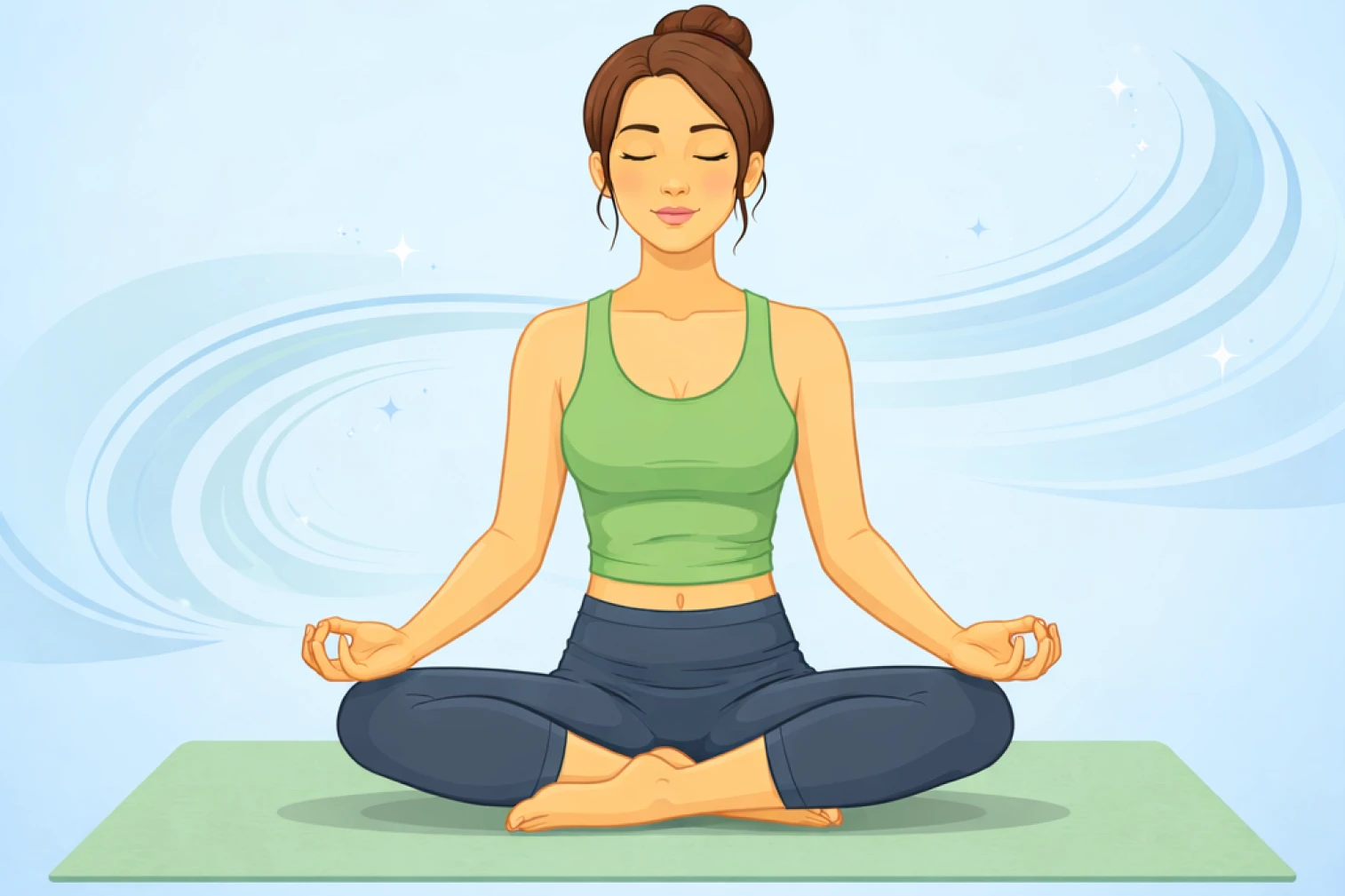
How to Start Meditating: A Gentle Introduction
A gentle meditation practice focused on breath, stillness, and creating space to slow down.
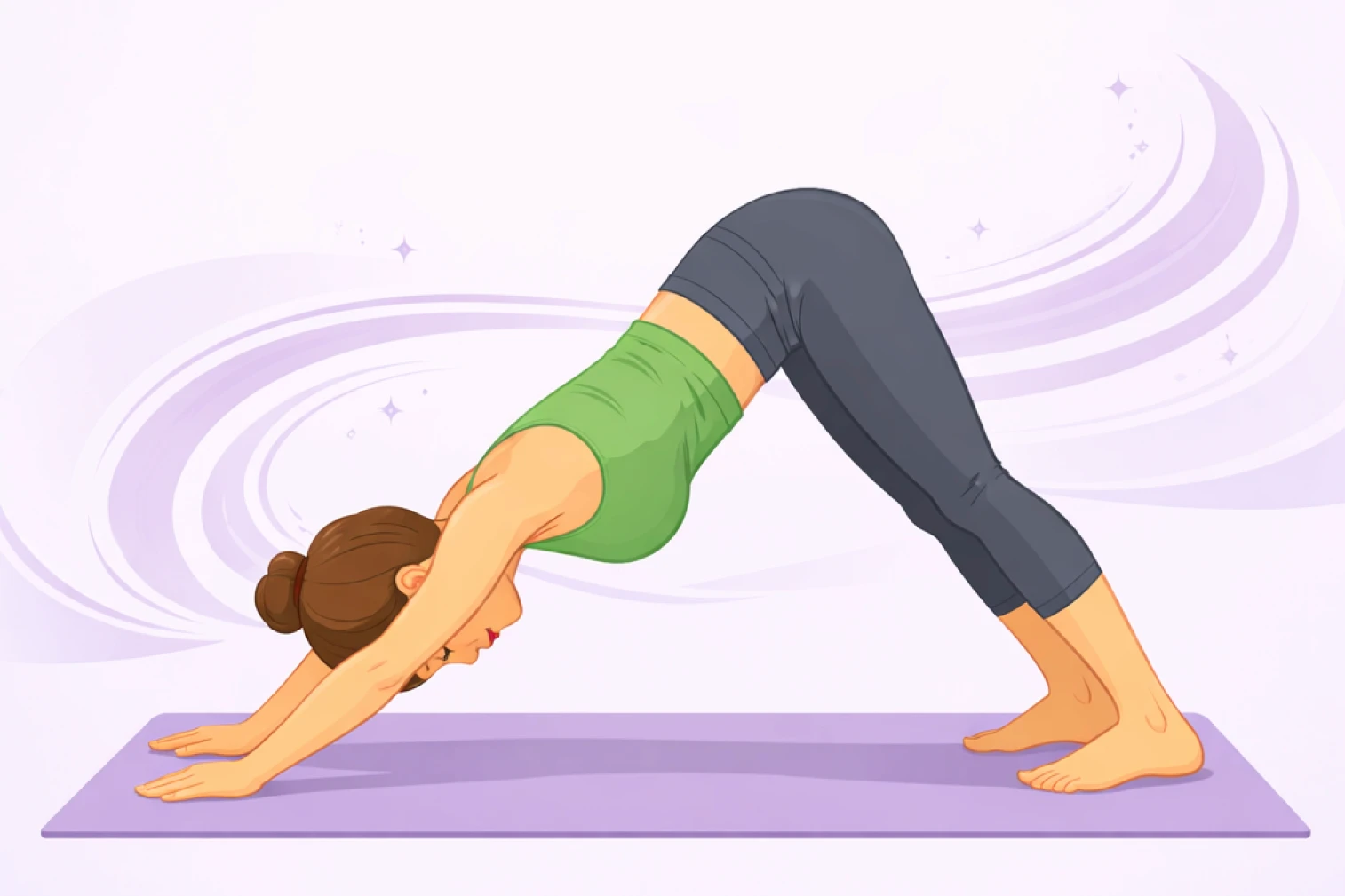
Yoga for Beginners: Benefits, Basics, and Getting Started
A gentle introduction to yoga for beginners, covering the basics and how to get started.
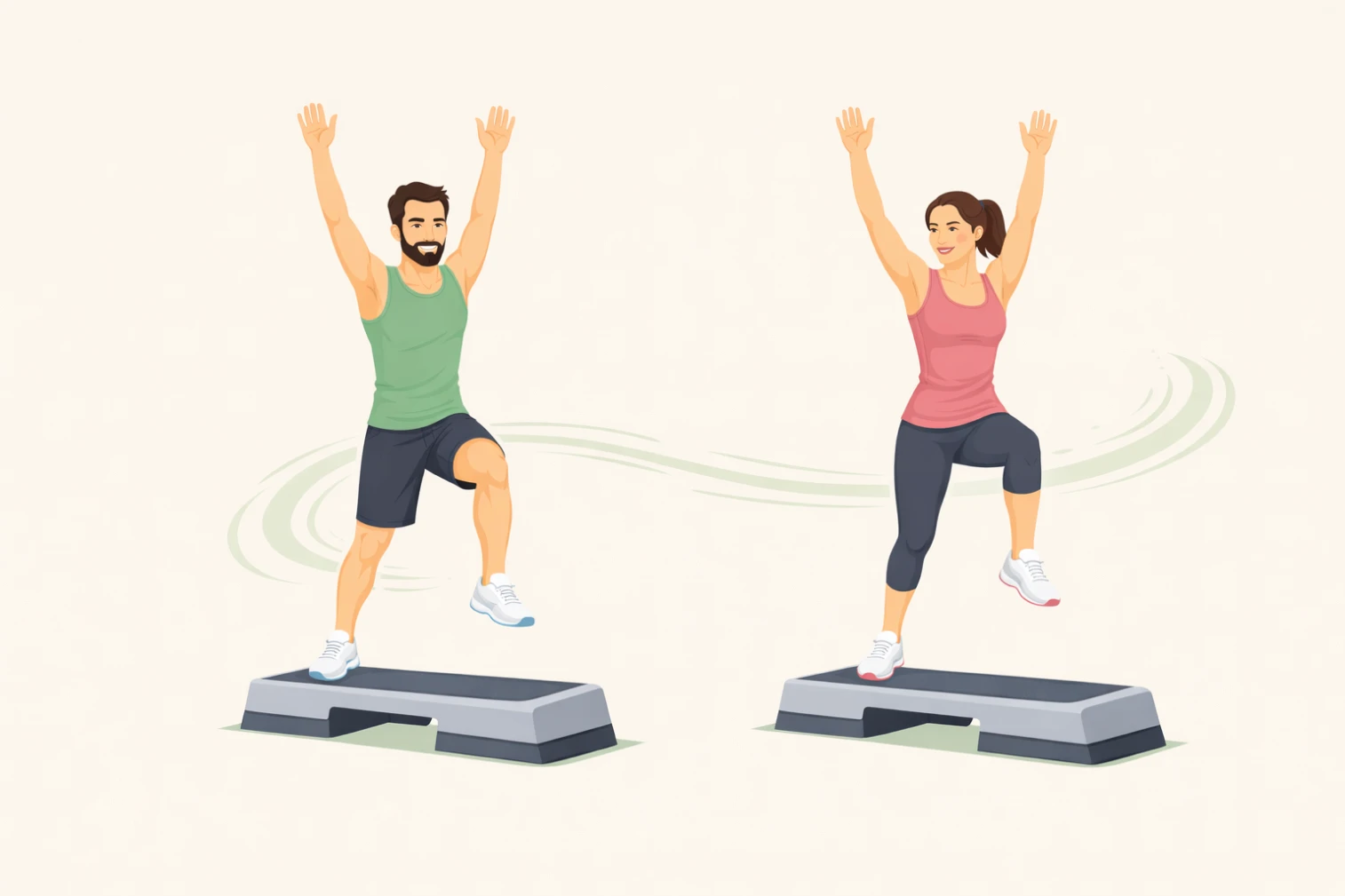
What Is Step Aerobics? Benefits, Basics, and Getting Started
Learn what step aerobics is, the benefits, and how to begin step workouts at home.
How to Start Meditating: A Gentle Introduction
A gentle meditation practice focused on breath, stillness, and creating space to slow down.
Yoga for Beginners: Benefits, Basics, and Getting Started
A gentle introduction to yoga for beginners, covering the basics and how to get started.
What Is Step Aerobics? Benefits, Basics, and Getting Started
Learn what step aerobics is, the benefits, and how to begin step workouts at home.
YouTube

Classes on YouTube
Motivating step aerobics, grounding yoga, and calming meditation — shared on YouTube to support energy, movement, and calm in everyday life. A growing collection of sessions you can return to whenever it feels right.
YouTube
Classes on YouTube
Motivating step aerobics, grounding yoga, and calming meditation — shared on YouTube to support energy, movement, and calm in everyday life. A growing collection of sessions you can return to whenever it feels right.
YouTube
Classes on YouTube
Motivating step aerobics, grounding yoga, and calming meditation — shared on YouTube to support energy, movement, and calm in everyday life. A growing collection of sessions you can return to whenever it feels right.
© 2026 Step & Flow. All rights reserved.
© 2026 Step & Flow. All rights reserved.
© 2026 Step & Flow. All rights reserved.