
How to Start Meditating: A Gentle Introduction
A gentle meditation practice focused on breath, stillness, and creating space to slow down.
Feb 7, 2026
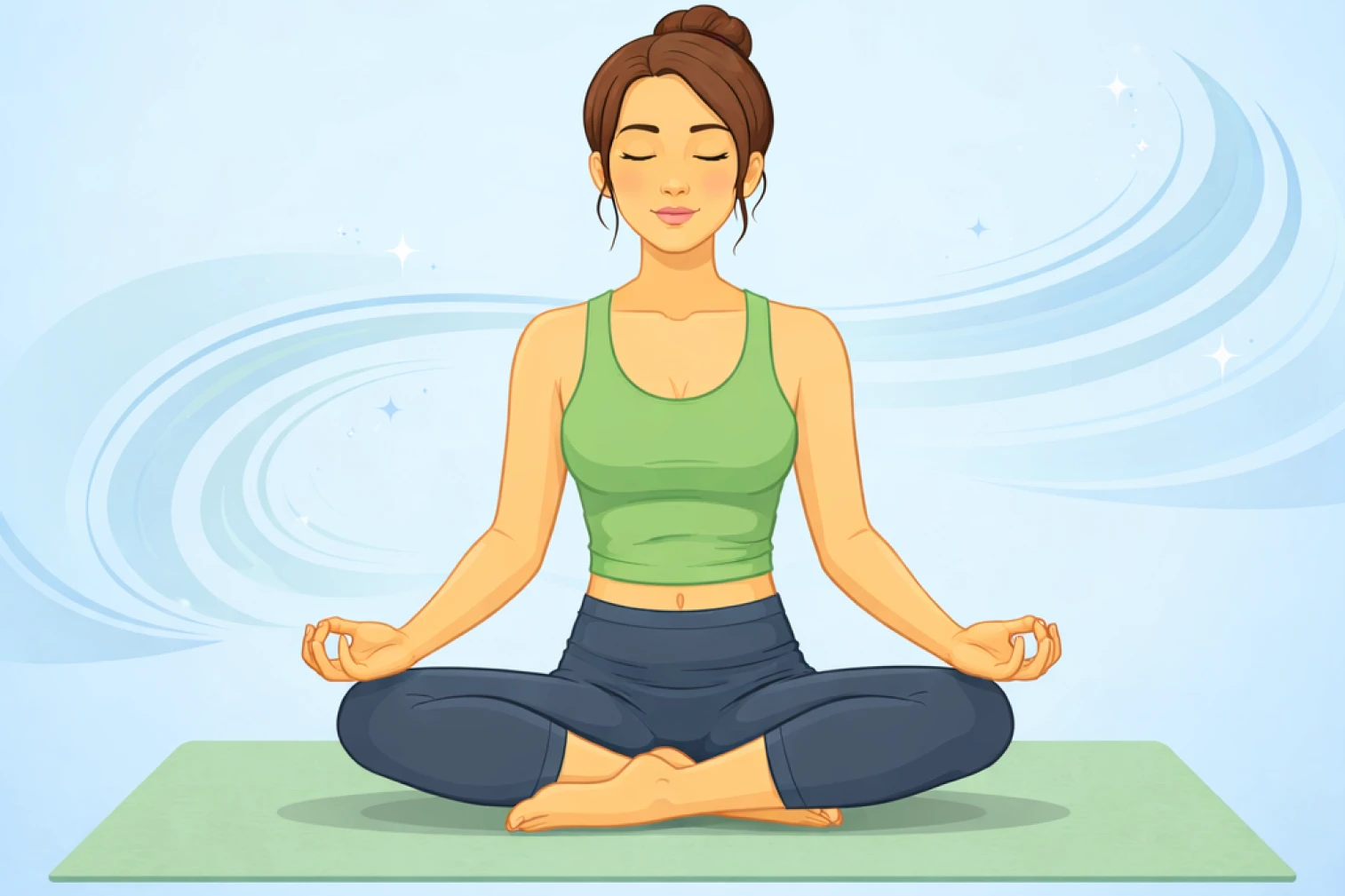
How to Start Meditating: A Gentle Introduction
A gentle meditation practice focused on breath, stillness, and creating space to slow down.
Feb 7, 2026
How to Start Meditating: A Gentle Introduction
A gentle meditation practice focused on breath, stillness, and creating space to slow down.
Feb 7, 2026
Meditation is often described as a way to quiet the mind, but for most people, that idea can feel unrealistic or even discouraging.
Minds wander. Thoughts appear. Distractions happen.
Meditation isn’t about stopping any of that — it’s about learning how to be with it.
At its core, meditation is a simple practice of awareness.
It’s a way to pause, breathe, and notice what’s happening right now, without judgement or pressure.
You don’t need to change yourself or reach a particular state
You simply begin where you are.
Understanding meditation beyond stillness
Many people imagine meditation as sitting perfectly still with an empty mind.
In reality, meditation is much more human and much more forgiving.
Meditation is the practice of gently placing your attention on something steady — often the breath — and noticing when your mind wanders.
When it does, you simply return your attention without criticism.
That moment of returning is the practice.
Some sessions may feel calm and grounding.
Others may feel busy, restless, or emotional.
None of these experiences mean you’re doing it wrong.
Meditation isn’t about achieving calm; it’s about building awareness and acceptance over time.
Why meditation can feel difficult at first
Starting meditation can feel surprisingly challenging, especially in a world that encourages constant movement and productivity.
Sitting quietly may bring awareness to thoughts or feelings you’re not used to noticing.
This can be uncomfortable at first, but it’s also where meditation becomes meaningful.
Rather than avoiding discomfort, meditation teaches you how to observe it with kindness and patience.
It’s common to feel unsure, distracted, or restless in the beginning.
These experiences don’t mean meditation isn’t working — they mean you’re becoming more aware.
The more you practice meditation, the less your mind will wander and you can focus on the visualisation or your breath.
Some practices may allow your mind to wander, as learning to bring it back is what progresses your ability to meditate.
Don't think of this as not doing it well, take it as listening to what your mind needs at that point, and work on your mind wandering less every time you meditate.
The benefits of a regular meditation practice
While meditation doesn’t promise instant results, many people notice subtle shifts over time.
These changes often appear quietly, woven into everyday life rather than dramatic moments of calm.
With regular practice, meditation may help support:
A greater sense of mental clarity and focus
A calmer response to stress and overwhelm
Increased awareness of thoughts and emotions
A feeling of balance and steadiness throughout the day
Even short, consistent practices can create meaningful change when approached with patience.
How to begin meditating in a gentle way
You don’t need long sessions or perfect conditions to start meditating.
A few minutes is enough, especially in the beginning.
Start by finding a comfortable position — seated, lying down, or supported.
Allow your body to settle, then bring your attention to your breath as it naturally flows in and out.
There’s no need to change your breathing; simply notice it.
When your mind wanders, gently guide it back to the breath.
This may happen many times during a session, and that’s completely normal.
Each return is a moment of awareness.
Guided meditations can be especially helpful for beginners, offering reassurance and structure.
Quiet breathing or body-focused practices are also effective ways to begin.
Creating a sustainable meditation routine
Meditation is most helpful when it fits naturally into your life.
Choose a time that feels realistic rather than ideal — a few minutes in the morning, a pause during the day, or a moment before bed.
Keep expectations low and allow flexibility.
Some days you may feel focused, others distracted.
The goal isn’t perfection, but consistency and kindness towards yourself.
You don’t need special equipment or a dedicated space.
Meditation can happen wherever you feel safe and comfortable.
Letting meditation support you, not pressure you
Meditation is not a task to complete or a skill to master.
It’s a practice you return to — again and again — as a way to reconnect with yourself.
By approaching meditation gently, it becomes less about effort and more about awareness.
Over time, those small moments of pause can create space for calm, clarity, and balance to grow naturally.
Meditation isn’t about escaping life.
It’s about meeting it with a little more presence, patience, and care.
Meditation is often described as a way to quiet the mind, but for most people, that idea can feel unrealistic or even discouraging.
Minds wander. Thoughts appear. Distractions happen.
Meditation isn’t about stopping any of that — it’s about learning how to be with it.
At its core, meditation is a simple practice of awareness.
It’s a way to pause, breathe, and notice what’s happening right now, without judgement or pressure.
You don’t need to change yourself or reach a particular state
You simply begin where you are.
Understanding meditation beyond stillness
Many people imagine meditation as sitting perfectly still with an empty mind.
In reality, meditation is much more human and much more forgiving.
Meditation is the practice of gently placing your attention on something steady — often the breath — and noticing when your mind wanders.
When it does, you simply return your attention without criticism.
That moment of returning is the practice.
Some sessions may feel calm and grounding.
Others may feel busy, restless, or emotional.
None of these experiences mean you’re doing it wrong.
Meditation isn’t about achieving calm; it’s about building awareness and acceptance over time.
Why meditation can feel difficult at first
Starting meditation can feel surprisingly challenging, especially in a world that encourages constant movement and productivity.
Sitting quietly may bring awareness to thoughts or feelings you’re not used to noticing.
This can be uncomfortable at first, but it’s also where meditation becomes meaningful.
Rather than avoiding discomfort, meditation teaches you how to observe it with kindness and patience.
It’s common to feel unsure, distracted, or restless in the beginning.
These experiences don’t mean meditation isn’t working — they mean you’re becoming more aware.
The more you practice meditation, the less your mind will wander and you can focus on the visualisation or your breath.
Some practices may allow your mind to wander, as learning to bring it back is what progresses your ability to meditate.
Don't think of this as not doing it well, take it as listening to what your mind needs at that point, and work on your mind wandering less every time you meditate.
The benefits of a regular meditation practice
While meditation doesn’t promise instant results, many people notice subtle shifts over time.
These changes often appear quietly, woven into everyday life rather than dramatic moments of calm.
With regular practice, meditation may help support:
A greater sense of mental clarity and focus
A calmer response to stress and overwhelm
Increased awareness of thoughts and emotions
A feeling of balance and steadiness throughout the day
Even short, consistent practices can create meaningful change when approached with patience.
How to begin meditating in a gentle way
You don’t need long sessions or perfect conditions to start meditating.
A few minutes is enough, especially in the beginning.
Start by finding a comfortable position — seated, lying down, or supported.
Allow your body to settle, then bring your attention to your breath as it naturally flows in and out.
There’s no need to change your breathing; simply notice it.
When your mind wanders, gently guide it back to the breath.
This may happen many times during a session, and that’s completely normal.
Each return is a moment of awareness.
Guided meditations can be especially helpful for beginners, offering reassurance and structure.
Quiet breathing or body-focused practices are also effective ways to begin.
Creating a sustainable meditation routine
Meditation is most helpful when it fits naturally into your life.
Choose a time that feels realistic rather than ideal — a few minutes in the morning, a pause during the day, or a moment before bed.
Keep expectations low and allow flexibility.
Some days you may feel focused, others distracted.
The goal isn’t perfection, but consistency and kindness towards yourself.
You don’t need special equipment or a dedicated space.
Meditation can happen wherever you feel safe and comfortable.
Letting meditation support you, not pressure you
Meditation is not a task to complete or a skill to master.
It’s a practice you return to — again and again — as a way to reconnect with yourself.
By approaching meditation gently, it becomes less about effort and more about awareness.
Over time, those small moments of pause can create space for calm, clarity, and balance to grow naturally.
Meditation isn’t about escaping life.
It’s about meeting it with a little more presence, patience, and care.
Meditation is often described as a way to quiet the mind, but for most people, that idea can feel unrealistic or even discouraging.
Minds wander. Thoughts appear. Distractions happen.
Meditation isn’t about stopping any of that — it’s about learning how to be with it.
At its core, meditation is a simple practice of awareness.
It’s a way to pause, breathe, and notice what’s happening right now, without judgement or pressure.
You don’t need to change yourself or reach a particular state
You simply begin where you are.
Understanding meditation beyond stillness
Many people imagine meditation as sitting perfectly still with an empty mind.
In reality, meditation is much more human and much more forgiving.
Meditation is the practice of gently placing your attention on something steady — often the breath — and noticing when your mind wanders.
When it does, you simply return your attention without criticism.
That moment of returning is the practice.
Some sessions may feel calm and grounding.
Others may feel busy, restless, or emotional.
None of these experiences mean you’re doing it wrong.
Meditation isn’t about achieving calm; it’s about building awareness and acceptance over time.
Why meditation can feel difficult at first
Starting meditation can feel surprisingly challenging, especially in a world that encourages constant movement and productivity.
Sitting quietly may bring awareness to thoughts or feelings you’re not used to noticing.
This can be uncomfortable at first, but it’s also where meditation becomes meaningful.
Rather than avoiding discomfort, meditation teaches you how to observe it with kindness and patience.
It’s common to feel unsure, distracted, or restless in the beginning.
These experiences don’t mean meditation isn’t working — they mean you’re becoming more aware.
The more you practice meditation, the less your mind will wander and you can focus on the visualisation or your breath.
Some practices may allow your mind to wander, as learning to bring it back is what progresses your ability to meditate.
Don't think of this as not doing it well, take it as listening to what your mind needs at that point, and work on your mind wandering less every time you meditate.
The benefits of a regular meditation practice
While meditation doesn’t promise instant results, many people notice subtle shifts over time.
These changes often appear quietly, woven into everyday life rather than dramatic moments of calm.
With regular practice, meditation may help support:
A greater sense of mental clarity and focus
A calmer response to stress and overwhelm
Increased awareness of thoughts and emotions
A feeling of balance and steadiness throughout the day
Even short, consistent practices can create meaningful change when approached with patience.
How to begin meditating in a gentle way
You don’t need long sessions or perfect conditions to start meditating.
A few minutes is enough, especially in the beginning.
Start by finding a comfortable position — seated, lying down, or supported.
Allow your body to settle, then bring your attention to your breath as it naturally flows in and out.
There’s no need to change your breathing; simply notice it.
When your mind wanders, gently guide it back to the breath.
This may happen many times during a session, and that’s completely normal.
Each return is a moment of awareness.
Guided meditations can be especially helpful for beginners, offering reassurance and structure.
Quiet breathing or body-focused practices are also effective ways to begin.
Creating a sustainable meditation routine
Meditation is most helpful when it fits naturally into your life.
Choose a time that feels realistic rather than ideal — a few minutes in the morning, a pause during the day, or a moment before bed.
Keep expectations low and allow flexibility.
Some days you may feel focused, others distracted.
The goal isn’t perfection, but consistency and kindness towards yourself.
You don’t need special equipment or a dedicated space.
Meditation can happen wherever you feel safe and comfortable.
Letting meditation support you, not pressure you
Meditation is not a task to complete or a skill to master.
It’s a practice you return to — again and again — as a way to reconnect with yourself.
By approaching meditation gently, it becomes less about effort and more about awareness.
Over time, those small moments of pause can create space for calm, clarity, and balance to grow naturally.
Meditation isn’t about escaping life.
It’s about meeting it with a little more presence, patience, and care.

How Step Aerobics Improves Cardio, Coordination and Strength
Learn how step aerobics improves cardio, coordination, and strength with an effective workout.
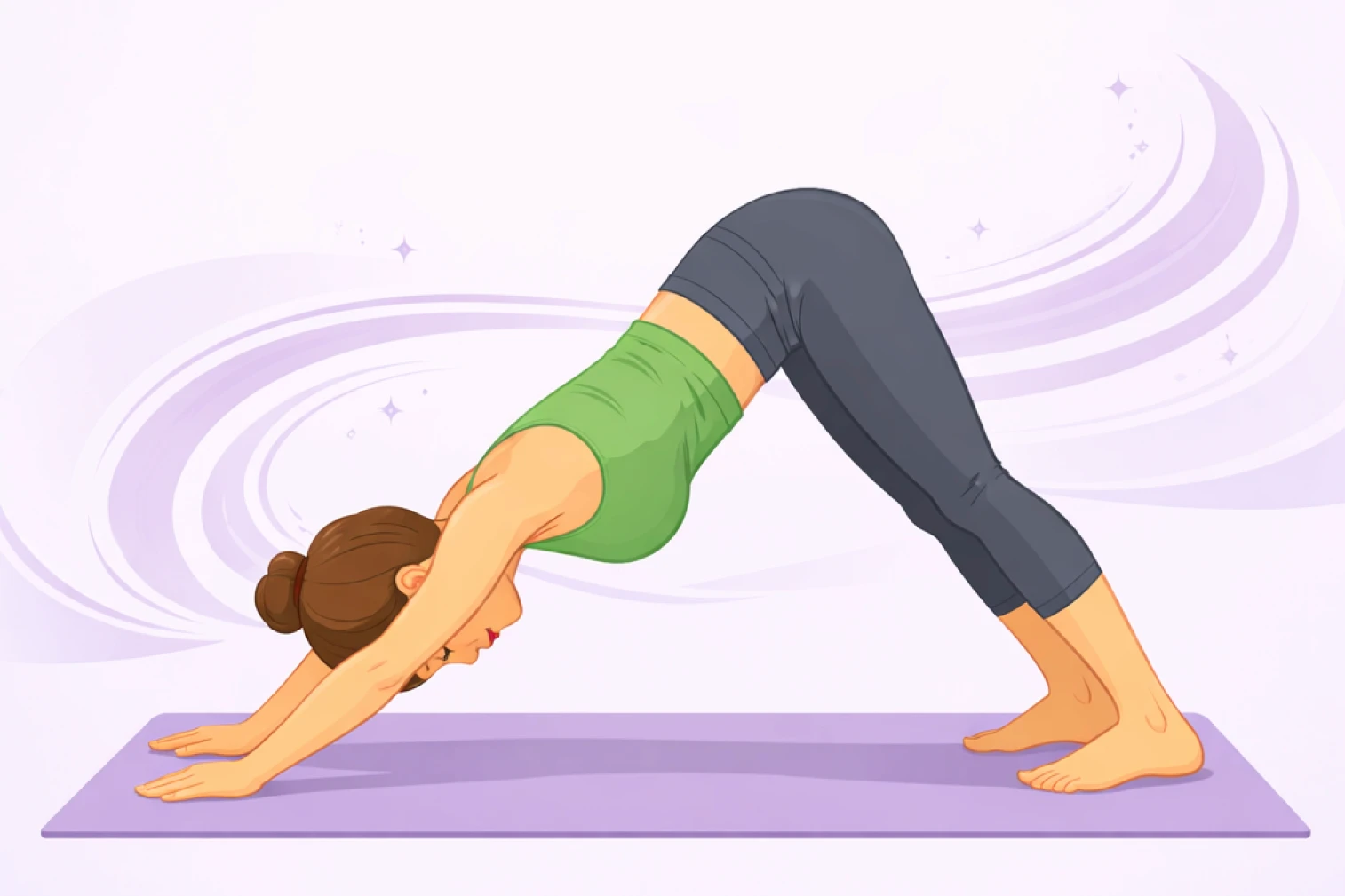
Yoga for Beginners: Benefits, Basics, and Getting Started
A gentle introduction to yoga for beginners, covering the basics and how to get started.
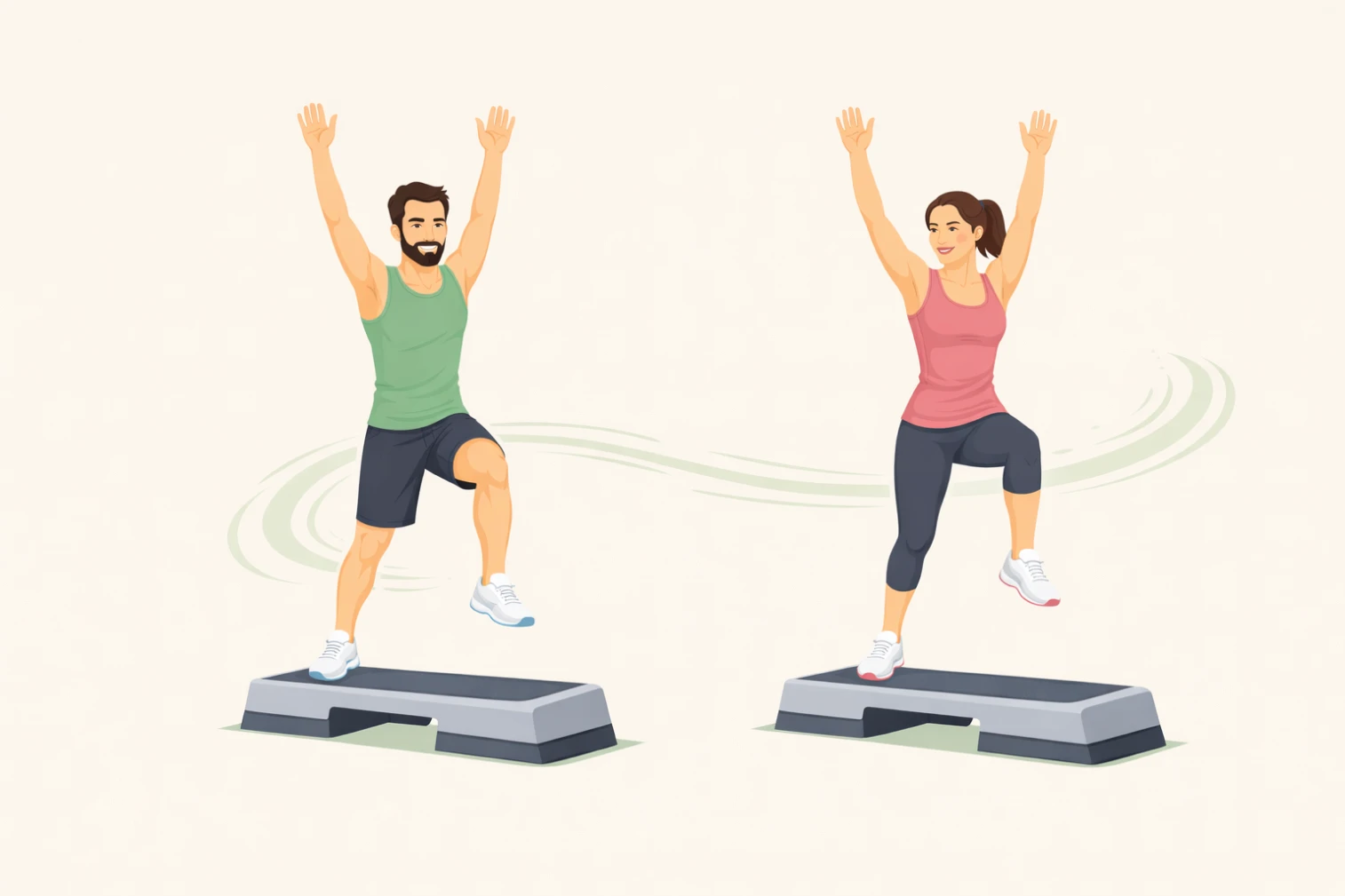
What Is Step Aerobics? Benefits, Basics, and Getting Started
Learn what step aerobics is, the benefits, and how to begin step workouts at home.
How Step Aerobics Improves Cardio, Coordination and Strength
Learn how step aerobics improves cardio, coordination, and strength with an effective workout.
Yoga for Beginners: Benefits, Basics, and Getting Started
A gentle introduction to yoga for beginners, covering the basics and how to get started.
What Is Step Aerobics? Benefits, Basics, and Getting Started
Learn what step aerobics is, the benefits, and how to begin step workouts at home.
YouTube

Classes on YouTube
Motivating step aerobics, grounding yoga, and calming meditation — shared on YouTube to support energy, movement, and calm in everyday life. A growing collection of sessions you can return to whenever it feels right.
YouTube
Classes on YouTube
Motivating step aerobics, grounding yoga, and calming meditation — shared on YouTube to support energy, movement, and calm in everyday life. A growing collection of sessions you can return to whenever it feels right.
YouTube
Classes on YouTube
Motivating step aerobics, grounding yoga, and calming meditation — shared on YouTube to support energy, movement, and calm in everyday life. A growing collection of sessions you can return to whenever it feels right.
© 2026 Step & Flow. All rights reserved.
© 2026 Step & Flow. All rights reserved.
© 2026 Step & Flow. All rights reserved.