Yoga for Beginners: Benefits, Basics, and Getting Started
A gentle introduction to yoga for beginners, covering the basics and how to get started.
Feb 5, 2026
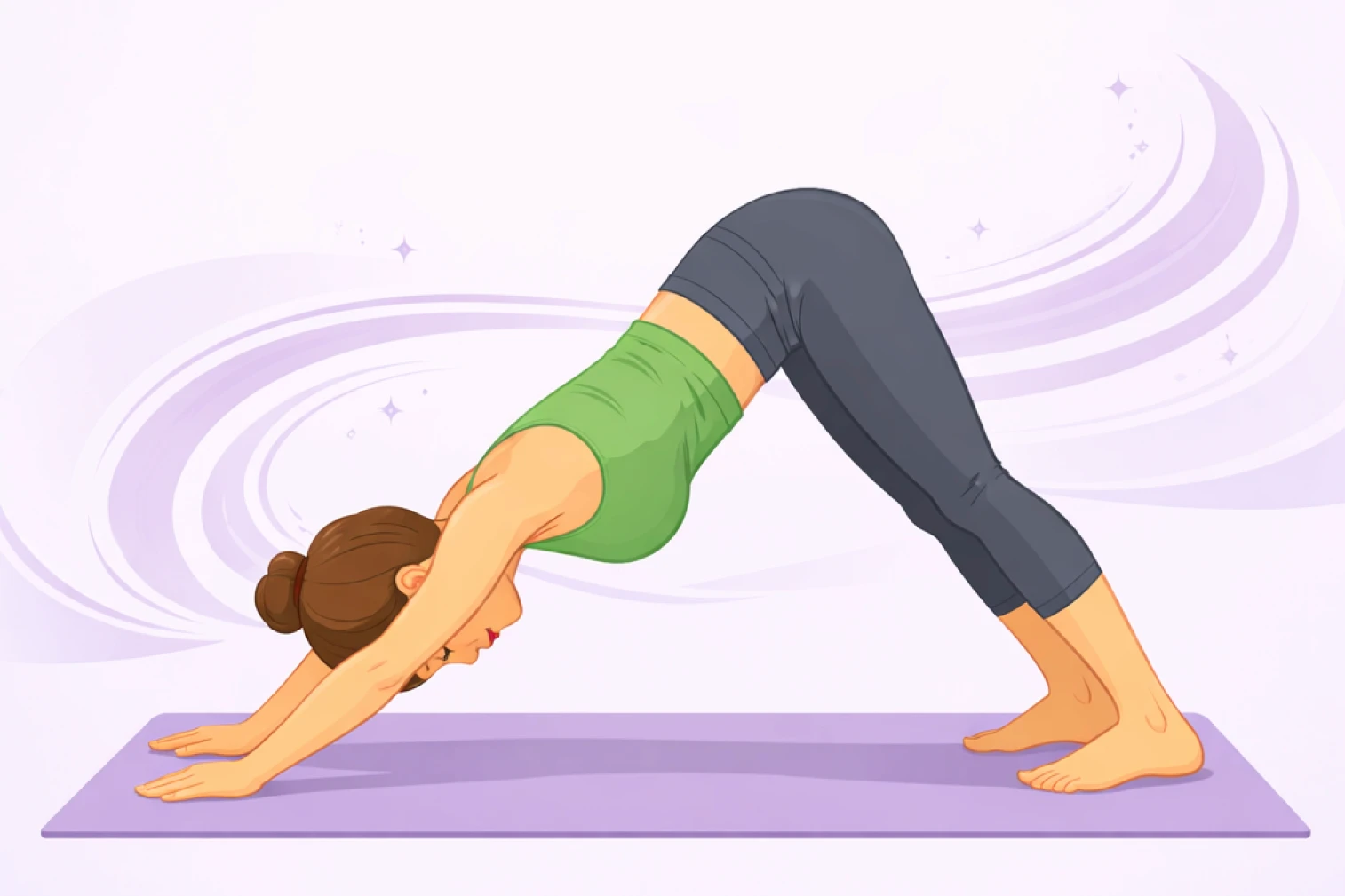
Yoga for Beginners: Benefits, Basics, and Getting Started
A gentle introduction to yoga for beginners, covering the basics and how to get started.
Feb 5, 2026
Yoga for Beginners: Benefits, Basics, and Getting Started
A gentle introduction to yoga for beginners, covering the basics and how to get started.
Feb 5, 2026
Yoga is often misunderstood as something you need to be good at before you begin.
Flexible bodies, advanced poses, and long, quiet classes can make it feel out of reach. In reality, yoga is simply a way of moving and breathing with more awareness — something that can be approached gently, gradually, and without expectation.
For beginners, yoga offers a slower pace than many forms of exercise. It creates space to notice how the body feels, rather than focusing on performance or intensity.
This makes it an accessible starting point for anyone looking to move more mindfully.
Beginning yoga without pressure
Many people come to yoga because they want movement that feels supportive rather than demanding.
Yoga doesn’t ask you to push through discomfort or chase results. Instead, it encourages you to slow down and listen.
If you experience any pain when doing a yoga position, you should listen to your body and release the pose.
It means you have pushed your body too far past what it can handle, and this is only for now.
Over time, your muscles will relax, and those poses will become more doable each time.
A beginner yoga practice often focuses on simple movements, steady transitions, and moments of pause.
There is time to adjust, to rest, and to breathe.
This unhurried approach helps create a sense of safety in the body, which is often what allows strength, mobility, and confidence to develop over time.
What a yoga practice usually involves
In practice, yoga blends movement with breath and attention.
Poses are often held for a short time, unless practicing Yin Yoga, allowing you to settle and notice what’s happening in your body.
Movements are linked together in a way that feels fluid rather than rushed.
Yoga doesn’t need to feel deeply spiritual or overly technical.
For beginners, it can simply be a practical way to stretch, strengthen, and move with intention.
The emphasis is less on achieving a shape and more on how the movement feels from the inside.
How yoga supports the body and mind
Over time, yoga can support the body in subtle but meaningful ways.
Regular practice encourages joints to move through a range of motion, which can help ease stiffness and support everyday mobility.
Holding and transitioning between poses also builds strength and stability, particularly in muscles that support posture and balance.
Alongside the physical benefits, yoga often supports mental calm.
Moving slowly while paying attention to the breath can help reduce tension and quiet the nervous system.
Many beginners notice that yoga offers a sense of grounding — a chance to step out of mental busyness and reconnect with the present moment.
Flexibility is not a requirement
One of the most common beliefs about yoga is that you need to be flexible to begin.
In reality, flexibility often develops gradually through practice.
Yoga meets you where you are, and poses can always be adapted to suit your body.
Progress in yoga isn’t about how far you stretch or how long you hold a pose.
It’s about becoming more aware of your body and responding to it with care.
Rest, pauses, and adjustments are all part of the practice, not signs that you’re doing it wrong.
Practising yoga at home
Many beginners choose to practise yoga at home, where there’s less pressure and more freedom.
Practising at home allows you to move at a pace that feels comfortable and to repeat sessions as often as you like.
There’s no need to keep up with anyone else or meet external expectations.
A gentle way to get started
Starting yoga doesn’t require a long-term plan or a perfect routine.
It can begin with a short session, a few simple movements, or even just taking time to breathe and notice how your body feels.
Approaching yoga with curiosity rather than goals helps keep the practice sustainable.
Some days yoga may feel energising, while other days it may feel calming or restorative.
Recommendations of beginner yoga practices
If you’re new to yoga, starting with a gentler style can help you build confidence and familiarity without feeling rushed or pressured.
Different styles offer different experiences, and finding one that suits how you feel can make yoga easier to return to.
Gentle or slow-flow yoga is often a good place to begin. These practices focus on simple movements, steady transitions, and time to pause, helping you explore poses while staying connected to your breath.
Hatha yoga tends to move at a slower pace, with clear guidance and individual poses held for a little longer. This can be helpful if you like to understand how a pose feels before moving on.
Restorative or relaxed yoga places more emphasis on rest and support, using fewer poses and longer pauses. This style can be especially supportive if you’re feeling tired, stiff, or in need of calm.
Beginner-focused yoga sessions are designed with accessibility in mind, often offering options and reminders to rest. These classes prioritise comfort and awareness rather than flexibility or performance.
There’s no single “right” style to start with.
The best practice is one that feels approachable, supportive, and easy to come back to — allowing yoga to become part of your everyday routine, rather than something you feel you have to get right.
A closing thought
Yoga for beginners isn’t about doing more or trying harder.
It’s about slowing down, moving with care, and giving yourself permission to begin — exactly where you are.
Yoga is often misunderstood as something you need to be good at before you begin.
Flexible bodies, advanced poses, and long, quiet classes can make it feel out of reach. In reality, yoga is simply a way of moving and breathing with more awareness — something that can be approached gently, gradually, and without expectation.
For beginners, yoga offers a slower pace than many forms of exercise. It creates space to notice how the body feels, rather than focusing on performance or intensity.
This makes it an accessible starting point for anyone looking to move more mindfully.
Beginning yoga without pressure
Many people come to yoga because they want movement that feels supportive rather than demanding.
Yoga doesn’t ask you to push through discomfort or chase results. Instead, it encourages you to slow down and listen.
If you experience any pain when doing a yoga position, you should listen to your body and release the pose.
It means you have pushed your body too far past what it can handle, and this is only for now.
Over time, your muscles will relax, and those poses will become more doable each time.
A beginner yoga practice often focuses on simple movements, steady transitions, and moments of pause.
There is time to adjust, to rest, and to breathe.
This unhurried approach helps create a sense of safety in the body, which is often what allows strength, mobility, and confidence to develop over time.
What a yoga practice usually involves
In practice, yoga blends movement with breath and attention.
Poses are often held for a short time, unless practicing Yin Yoga, allowing you to settle and notice what’s happening in your body.
Movements are linked together in a way that feels fluid rather than rushed.
Yoga doesn’t need to feel deeply spiritual or overly technical.
For beginners, it can simply be a practical way to stretch, strengthen, and move with intention.
The emphasis is less on achieving a shape and more on how the movement feels from the inside.
How yoga supports the body and mind
Over time, yoga can support the body in subtle but meaningful ways.
Regular practice encourages joints to move through a range of motion, which can help ease stiffness and support everyday mobility.
Holding and transitioning between poses also builds strength and stability, particularly in muscles that support posture and balance.
Alongside the physical benefits, yoga often supports mental calm.
Moving slowly while paying attention to the breath can help reduce tension and quiet the nervous system.
Many beginners notice that yoga offers a sense of grounding — a chance to step out of mental busyness and reconnect with the present moment.
Flexibility is not a requirement
One of the most common beliefs about yoga is that you need to be flexible to begin.
In reality, flexibility often develops gradually through practice.
Yoga meets you where you are, and poses can always be adapted to suit your body.
Progress in yoga isn’t about how far you stretch or how long you hold a pose.
It’s about becoming more aware of your body and responding to it with care.
Rest, pauses, and adjustments are all part of the practice, not signs that you’re doing it wrong.
Practising yoga at home
Many beginners choose to practise yoga at home, where there’s less pressure and more freedom.
Practising at home allows you to move at a pace that feels comfortable and to repeat sessions as often as you like.
There’s no need to keep up with anyone else or meet external expectations.
A gentle way to get started
Starting yoga doesn’t require a long-term plan or a perfect routine.
It can begin with a short session, a few simple movements, or even just taking time to breathe and notice how your body feels.
Approaching yoga with curiosity rather than goals helps keep the practice sustainable.
Some days yoga may feel energising, while other days it may feel calming or restorative.
Recommendations of beginner yoga practices
If you’re new to yoga, starting with a gentler style can help you build confidence and familiarity without feeling rushed or pressured.
Different styles offer different experiences, and finding one that suits how you feel can make yoga easier to return to.
Gentle or slow-flow yoga is often a good place to begin. These practices focus on simple movements, steady transitions, and time to pause, helping you explore poses while staying connected to your breath.
Hatha yoga tends to move at a slower pace, with clear guidance and individual poses held for a little longer. This can be helpful if you like to understand how a pose feels before moving on.
Restorative or relaxed yoga places more emphasis on rest and support, using fewer poses and longer pauses. This style can be especially supportive if you’re feeling tired, stiff, or in need of calm.
Beginner-focused yoga sessions are designed with accessibility in mind, often offering options and reminders to rest. These classes prioritise comfort and awareness rather than flexibility or performance.
There’s no single “right” style to start with.
The best practice is one that feels approachable, supportive, and easy to come back to — allowing yoga to become part of your everyday routine, rather than something you feel you have to get right.
A closing thought
Yoga for beginners isn’t about doing more or trying harder.
It’s about slowing down, moving with care, and giving yourself permission to begin — exactly where you are.
Yoga is often misunderstood as something you need to be good at before you begin.
Flexible bodies, advanced poses, and long, quiet classes can make it feel out of reach. In reality, yoga is simply a way of moving and breathing with more awareness — something that can be approached gently, gradually, and without expectation.
For beginners, yoga offers a slower pace than many forms of exercise. It creates space to notice how the body feels, rather than focusing on performance or intensity.
This makes it an accessible starting point for anyone looking to move more mindfully.
Beginning yoga without pressure
Many people come to yoga because they want movement that feels supportive rather than demanding.
Yoga doesn’t ask you to push through discomfort or chase results. Instead, it encourages you to slow down and listen.
If you experience any pain when doing a yoga position, you should listen to your body and release the pose.
It means you have pushed your body too far past what it can handle, and this is only for now.
Over time, your muscles will relax, and those poses will become more doable each time.
A beginner yoga practice often focuses on simple movements, steady transitions, and moments of pause.
There is time to adjust, to rest, and to breathe.
This unhurried approach helps create a sense of safety in the body, which is often what allows strength, mobility, and confidence to develop over time.
What a yoga practice usually involves
In practice, yoga blends movement with breath and attention.
Poses are often held for a short time, unless practicing Yin Yoga, allowing you to settle and notice what’s happening in your body.
Movements are linked together in a way that feels fluid rather than rushed.
Yoga doesn’t need to feel deeply spiritual or overly technical.
For beginners, it can simply be a practical way to stretch, strengthen, and move with intention.
The emphasis is less on achieving a shape and more on how the movement feels from the inside.
How yoga supports the body and mind
Over time, yoga can support the body in subtle but meaningful ways.
Regular practice encourages joints to move through a range of motion, which can help ease stiffness and support everyday mobility.
Holding and transitioning between poses also builds strength and stability, particularly in muscles that support posture and balance.
Alongside the physical benefits, yoga often supports mental calm.
Moving slowly while paying attention to the breath can help reduce tension and quiet the nervous system.
Many beginners notice that yoga offers a sense of grounding — a chance to step out of mental busyness and reconnect with the present moment.
Flexibility is not a requirement
One of the most common beliefs about yoga is that you need to be flexible to begin.
In reality, flexibility often develops gradually through practice.
Yoga meets you where you are, and poses can always be adapted to suit your body.
Progress in yoga isn’t about how far you stretch or how long you hold a pose.
It’s about becoming more aware of your body and responding to it with care.
Rest, pauses, and adjustments are all part of the practice, not signs that you’re doing it wrong.
Practising yoga at home
Many beginners choose to practise yoga at home, where there’s less pressure and more freedom.
Practising at home allows you to move at a pace that feels comfortable and to repeat sessions as often as you like.
There’s no need to keep up with anyone else or meet external expectations.
A gentle way to get started
Starting yoga doesn’t require a long-term plan or a perfect routine.
It can begin with a short session, a few simple movements, or even just taking time to breathe and notice how your body feels.
Approaching yoga with curiosity rather than goals helps keep the practice sustainable.
Some days yoga may feel energising, while other days it may feel calming or restorative.
Recommendations of beginner yoga practices
If you’re new to yoga, starting with a gentler style can help you build confidence and familiarity without feeling rushed or pressured.
Different styles offer different experiences, and finding one that suits how you feel can make yoga easier to return to.
Gentle or slow-flow yoga is often a good place to begin. These practices focus on simple movements, steady transitions, and time to pause, helping you explore poses while staying connected to your breath.
Hatha yoga tends to move at a slower pace, with clear guidance and individual poses held for a little longer. This can be helpful if you like to understand how a pose feels before moving on.
Restorative or relaxed yoga places more emphasis on rest and support, using fewer poses and longer pauses. This style can be especially supportive if you’re feeling tired, stiff, or in need of calm.
Beginner-focused yoga sessions are designed with accessibility in mind, often offering options and reminders to rest. These classes prioritise comfort and awareness rather than flexibility or performance.
There’s no single “right” style to start with.
The best practice is one that feels approachable, supportive, and easy to come back to — allowing yoga to become part of your everyday routine, rather than something you feel you have to get right.
A closing thought
Yoga for beginners isn’t about doing more or trying harder.
It’s about slowing down, moving with care, and giving yourself permission to begin — exactly where you are.
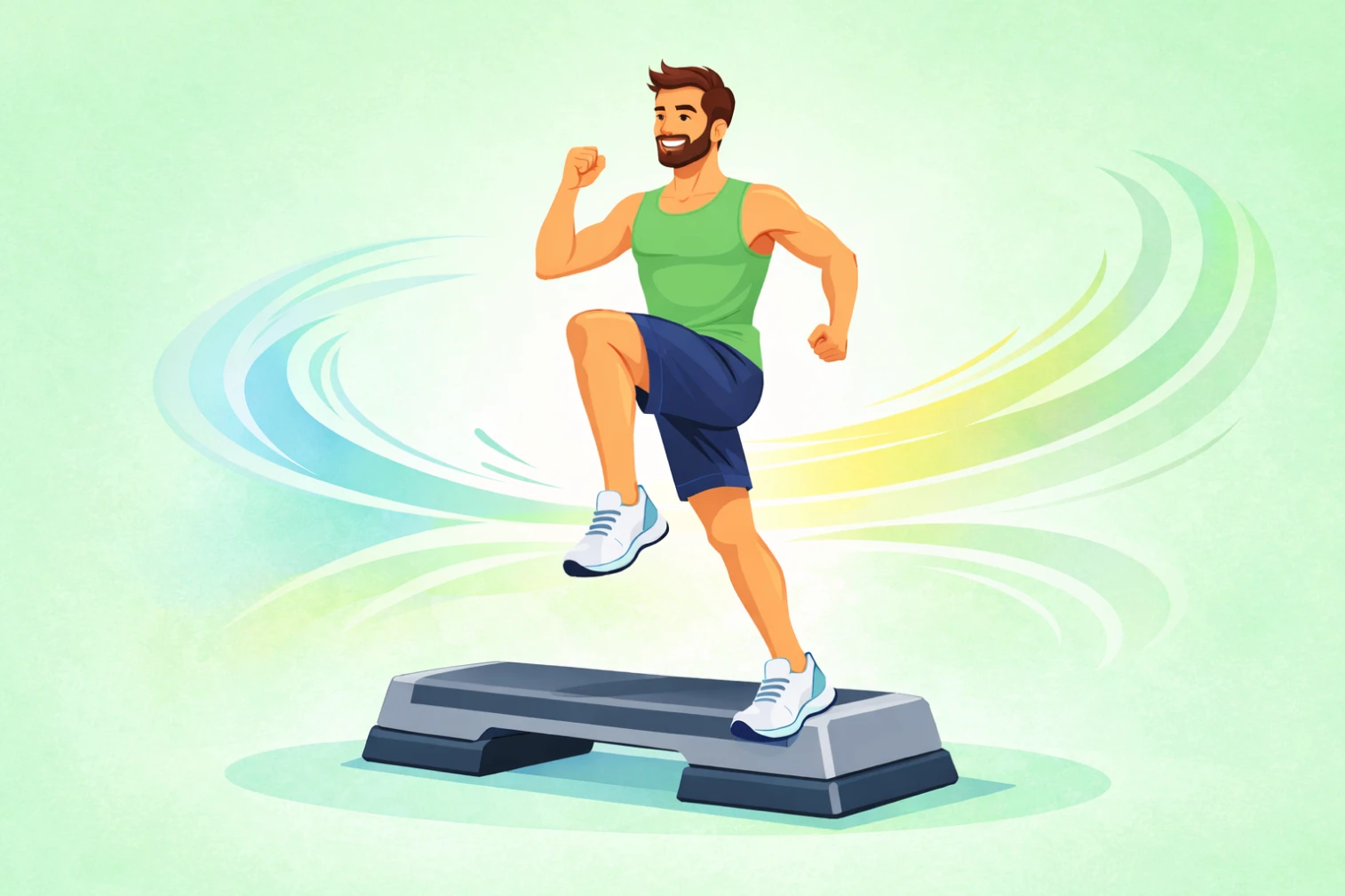
How Step Aerobics Improves Cardio, Coordination and Strength
Learn how step aerobics improves cardio, coordination, and strength with an effective workout.
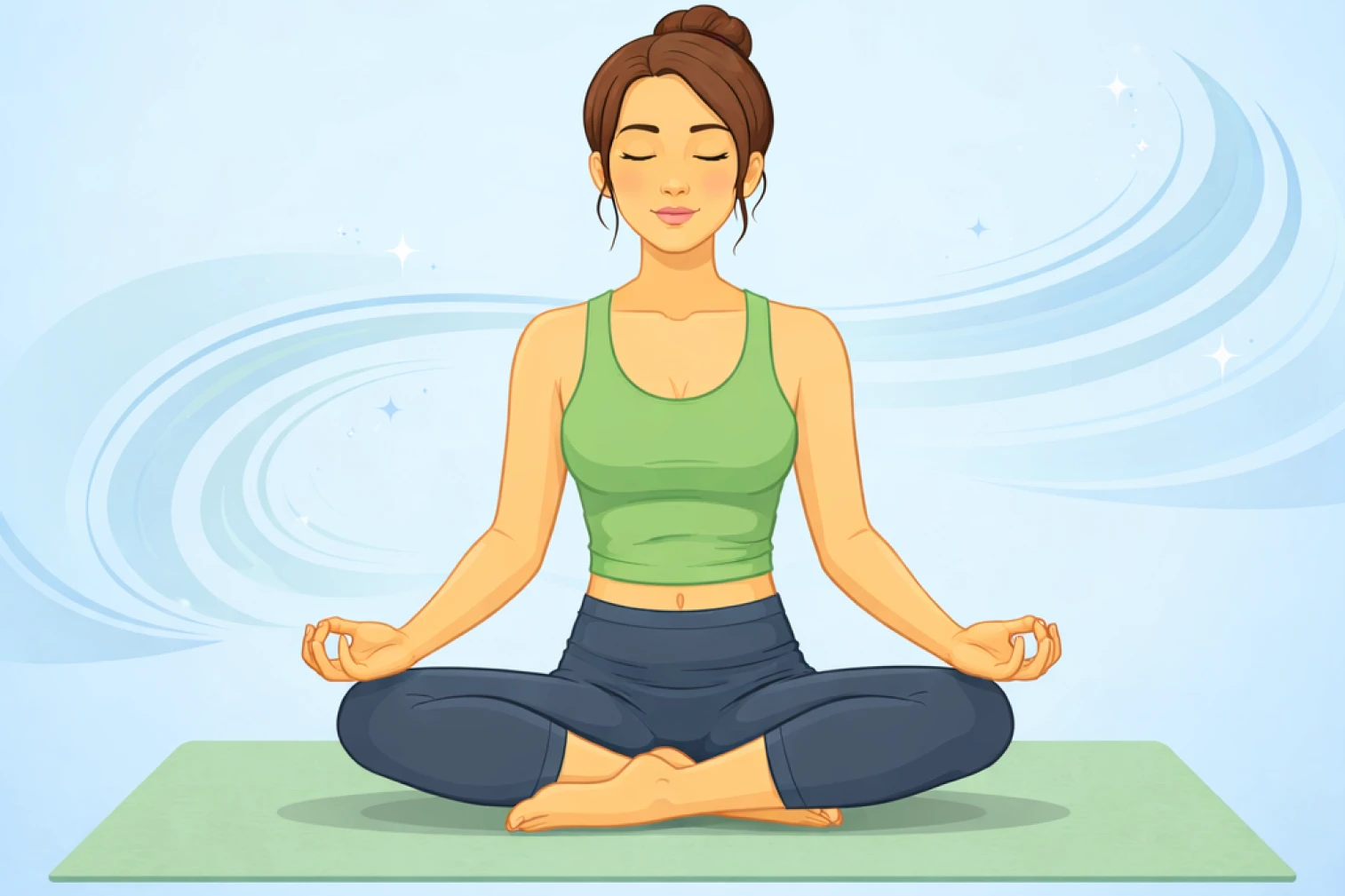
How to Start Meditating: A Gentle Introduction
A gentle meditation practice focused on breath, stillness, and creating space to slow down.
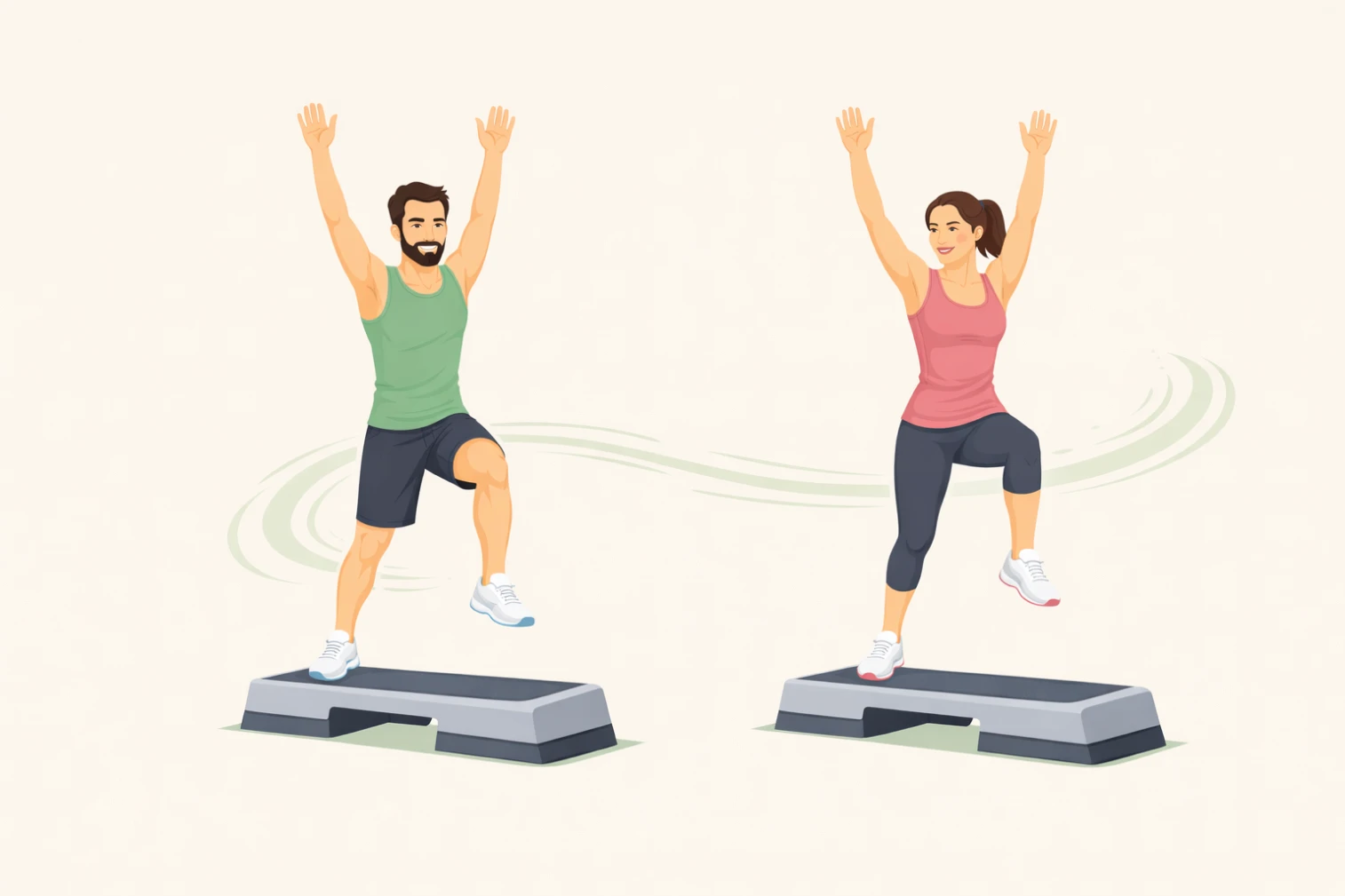
What Is Step Aerobics? Benefits, Basics, and Getting Started
Learn what step aerobics is, the benefits, and how to begin step workouts at home.
How Step Aerobics Improves Cardio, Coordination and Strength
Learn how step aerobics improves cardio, coordination, and strength with an effective workout.
How to Start Meditating: A Gentle Introduction
A gentle meditation practice focused on breath, stillness, and creating space to slow down.
What Is Step Aerobics? Benefits, Basics, and Getting Started
Learn what step aerobics is, the benefits, and how to begin step workouts at home.
YouTube
Classes on YouTube
Motivating step aerobics, grounding yoga, and calming meditation — shared on YouTube to support energy, movement, and calm in everyday life. A growing collection of sessions you can return to whenever it feels right.
YouTube
Classes on YouTube
Motivating step aerobics, grounding yoga, and calming meditation — shared on YouTube to support energy, movement, and calm in everyday life. A growing collection of sessions you can return to whenever it feels right.
YouTube
Classes on YouTube
Motivating step aerobics, grounding yoga, and calming meditation — shared on YouTube to support energy, movement, and calm in everyday life. A growing collection of sessions you can return to whenever it feels right.
© 2026 Step & Flow. All rights reserved.
© 2026 Step & Flow. All rights reserved.
© 2026 Step & Flow. All rights reserved.